Is the Swiss Travel Pass Worth It? We Did the Math
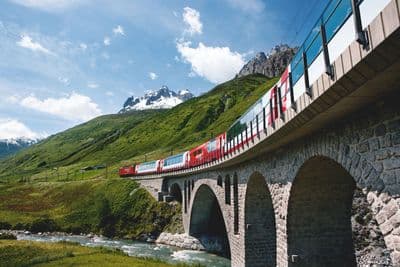
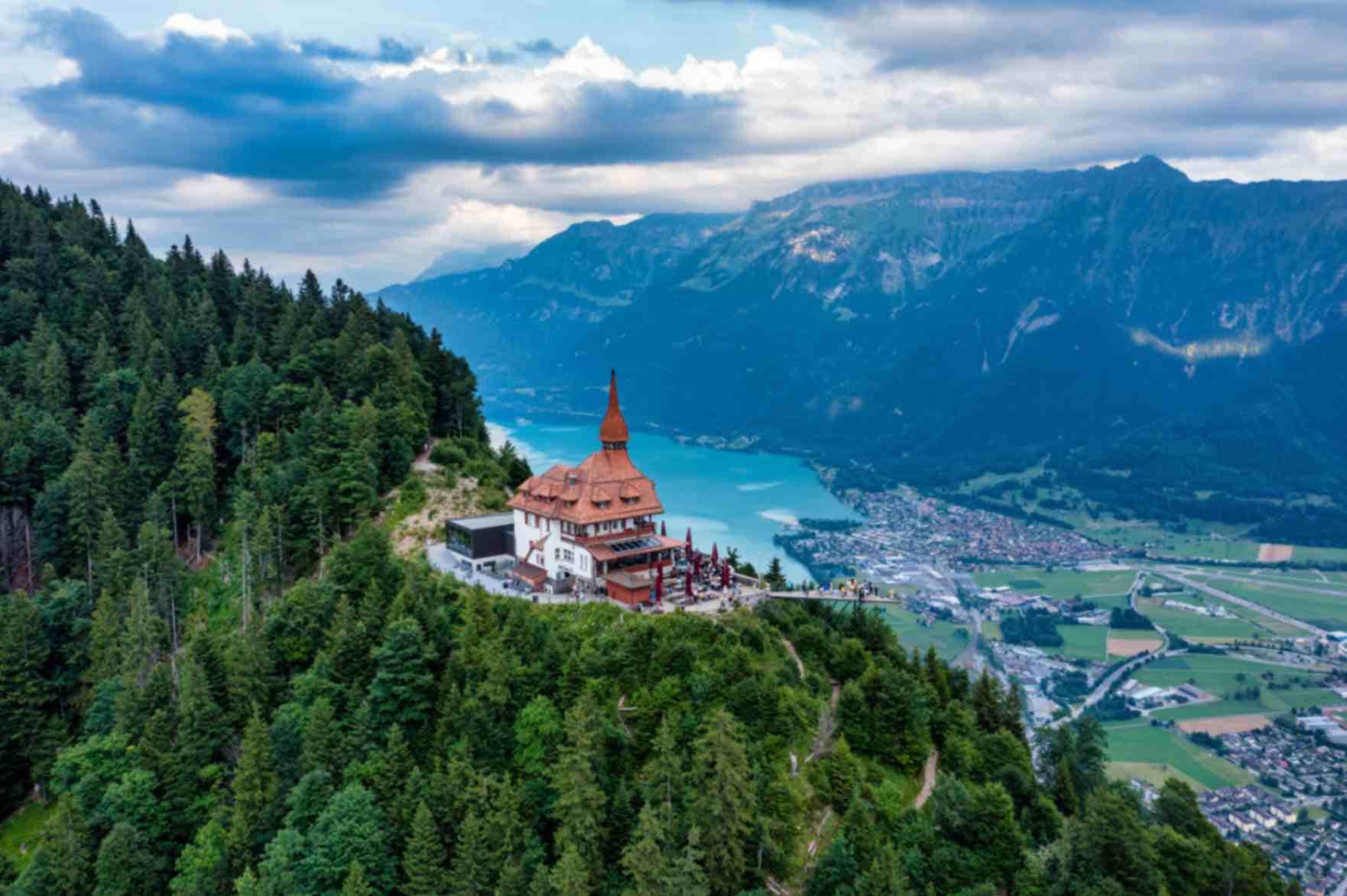
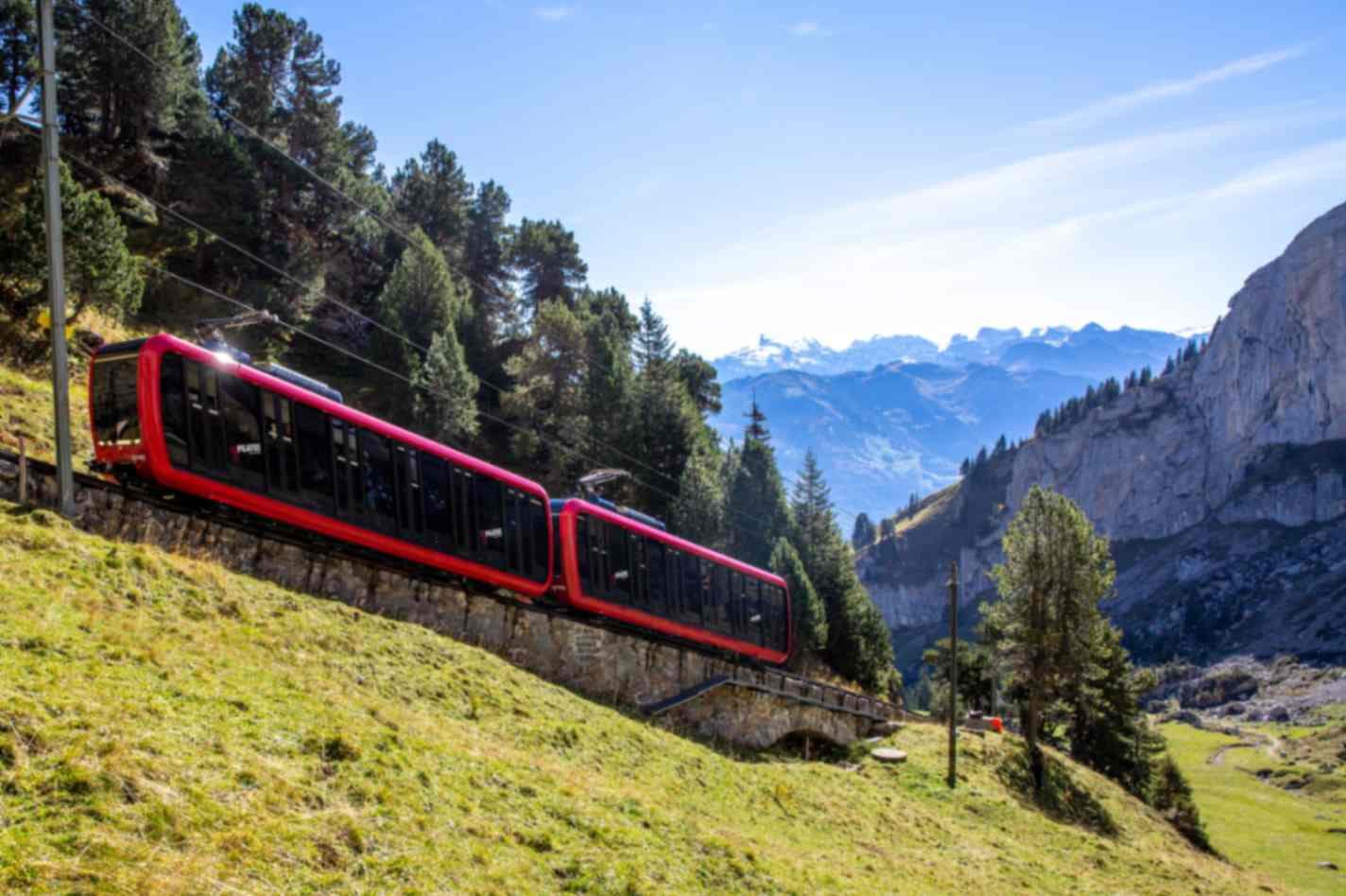
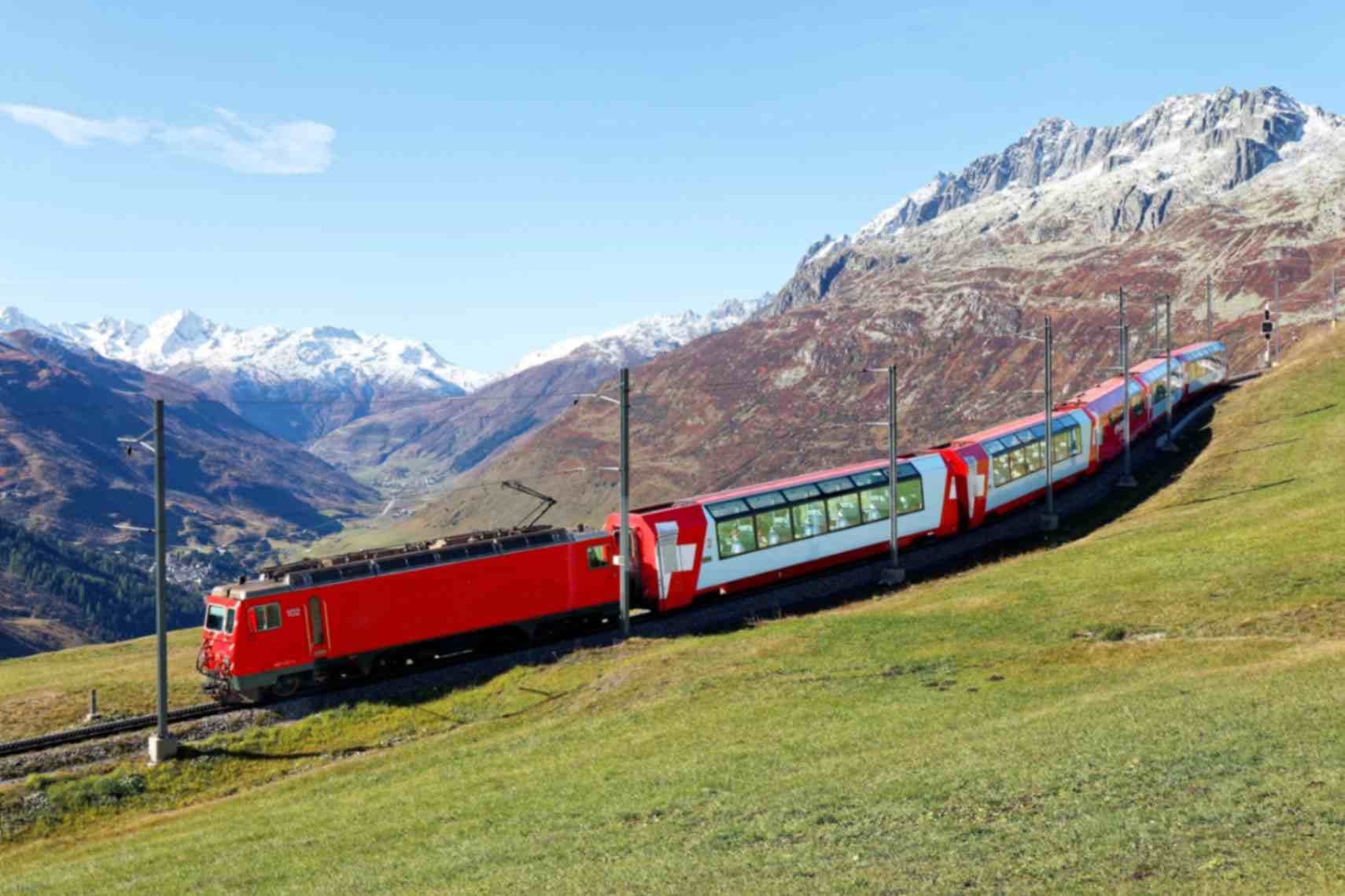
Switzerland is famous for its world-class public transportation network. Trains glide through mountain valleys, boats connect lakeside towns, and mountain railways climb to spectacular viewpoints that seem impossible to reach. For many visitors, one of the first questions when planning a trip is whether the Swiss Travel Pass is actually worth the investment.
The answer is not always straightforward. While the Swiss Travel Pass offers convenience and extensive coverage, it is not necessarily the cheapest option for every traveler. Depending on your itinerary, travel style, and the number of days you plan to explore Switzerland, point-to-point tickets may sometimes offer better value.
To help you decide, we've broken down how the Swiss Travel Pass works, its advantages and limitations, and the types of trips where it makes the most sense.
What Is the Swiss Travel Pass?
The Swiss Travel Pass is an all-in-one transportation pass that allows unlimited travel on much of Switzerland's public transport network for a fixed number of consecutive days.
The pass typically includes:
- Unlimited travel on most trains, buses, and boats
- Free admission to numerous museums
- Coverage on many scenic rail routes
- Discounts on selected mountain excursions
- Easy travel without purchasing individual tickets
For visitors planning extensive travel throughout the country, the convenience alone can be a major advantage.
The Main Advantage: Simplicity
One of the biggest benefits of the Swiss Travel Pass is flexibility.
Rather than calculating individual fares, buying multiple tickets, and monitoring connections, travelers can simply board most trains and continue their journey. This is especially appealing for first-time visitors who may not be familiar with the Swiss rail network.
Spontaneous day trips become easier because there's no need to purchase additional tickets for every journey.
Want to take an unplanned trip from Lucerne to Interlaken? Simply board the train.
Feeling inspired to visit Montreux after lunch in Lausanne? No additional booking is needed for most standard routes.
This flexibility is often difficult to calculate financially but can greatly enhance a trip.
When the Swiss Travel Pass Usually Makes Sense
The pass typically provides the best value when travelers move frequently between destinations.
Examples include:
Multi-City Itineraries
A journey such as:
- Zurich
- Lucerne
- Interlaken
- Montreux
- Zermatt
- St. Moritz
involves several long-distance train journeys. Purchasing separate tickets for each route can become expensive, making the pass attractive.
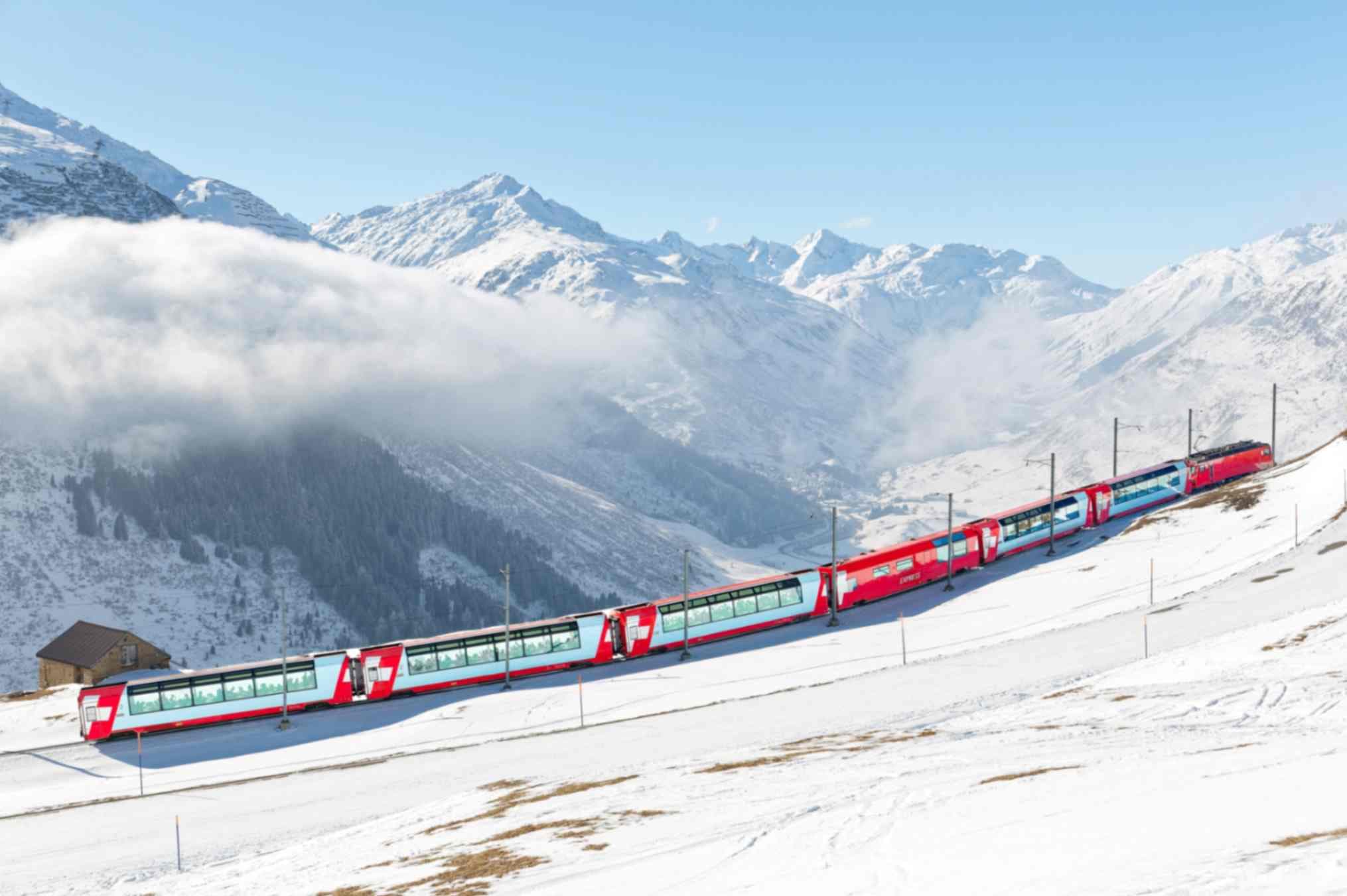
Scenic Rail Adventures
Travelers planning to enjoy routes such as:
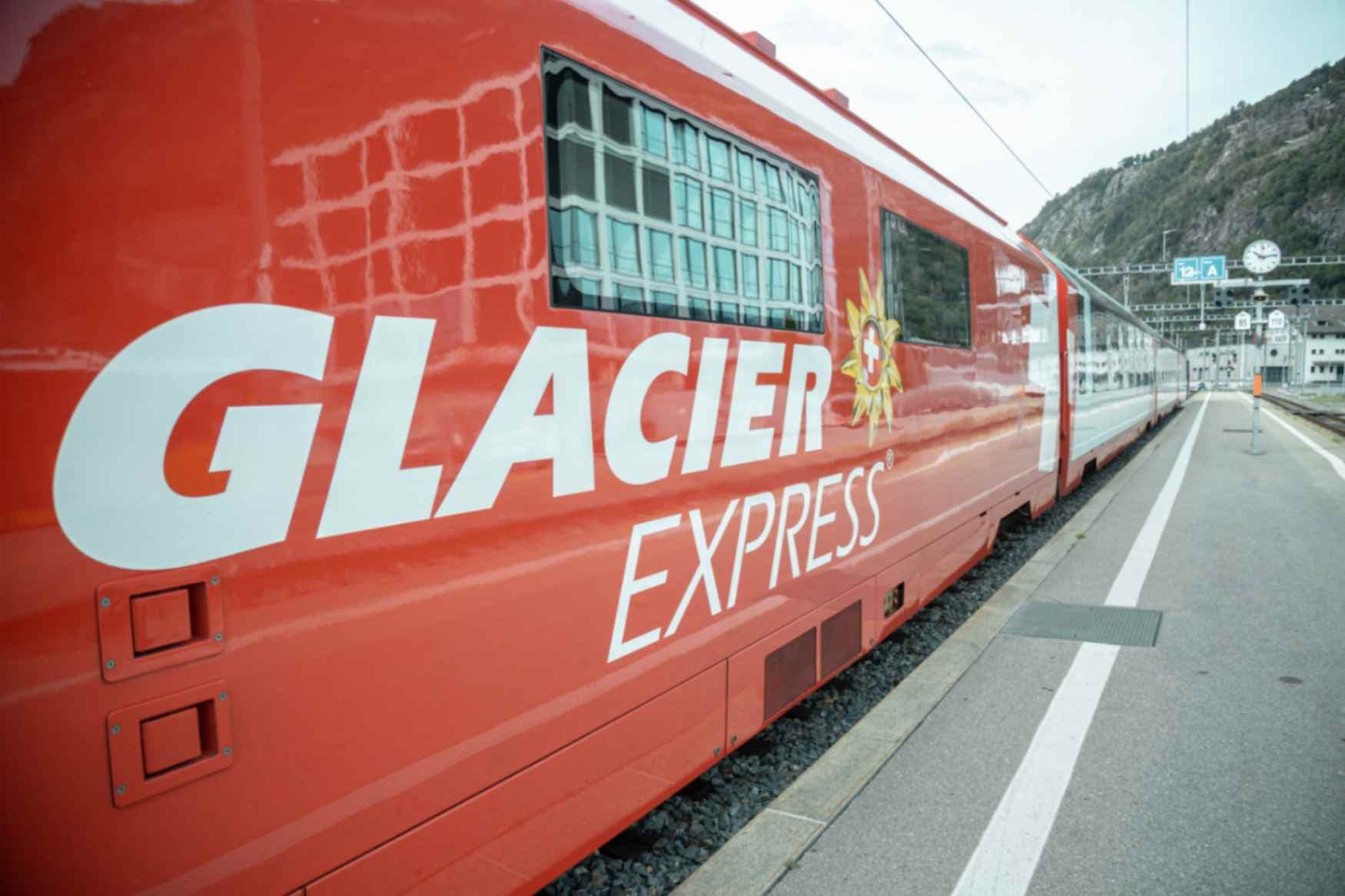
- Glacier Express
- GoldenPass Line
- Gotthard Panorama Express
- Bernina Express
often benefit from the pass because much of the base transport cost is already covered.
Although reservations may still be required for some panoramic trains, the travel itself is often included.
Frequent Day Trips
If you're staying in one location but making regular excursions, the pass can quickly become valuable.
For example, a visitor staying in Lucerne might take trips to:
- Mount Rigi
- Lake Lucerne
- Interlaken
- Bern
- Zurich
Multiple travel days can add up quickly when purchased separately.
When Point-to-Point Tickets May Be Better
The Swiss Travel Pass is not automatically the cheapest choice.
In some situations, purchasing individual tickets may save money.
Staying Primarily in One Region
If your trip focuses on a single destination such as:
- Interlaken
- Zermatt
- Lucerne
- St. Moritz
and only includes one or two train journeys, the pass may provide limited value.
Short City Breaks
Visitors spending three or four days mainly exploring:
- Zurich
- Geneva
- Basel
may find that local transport costs remain relatively low compared to the price of a nationwide pass.
Early Advance Bookings
Swiss Federal Railways occasionally offer discounted point-to-point fares purchased in advance. Travelers with fixed schedules can sometimes secure attractive savings by booking individual routes.
Is It Worth It for a 4-Day Trip?
For shorter visits, the answer depends heavily on how mobile you plan to be.
A traveler staying in Zurich and making only a single day trip to Lucerne may not fully benefit from the pass.
However, a traveler moving between:
- Zurich
- Lucerne
- Interlaken
- Bern
within four days often finds that transportation costs accumulate quickly.
For active sightseeing itineraries, the Swiss Travel Pass frequently becomes competitive due to the number of journeys involved.
Is It Worth It for an 8-Day Trip?
This is often where the Swiss Travel Pass becomes most attractive.
Eight-day itineraries commonly include:
- Multiple cities
- Scenic rail journeys
- Boat cruises
- Museum visits
- Mountain excursions
The flexibility becomes particularly valuable because travelers are more likely to make spontaneous trips during a longer holiday.
Visitors who enjoy exploring beyond a single region often recover much of the pass cost through transportation alone.
Is It Worth It for a 15-Day Trip?
Longer trips generally provide the strongest value proposition.
Most travelers spending two weeks or more in Switzerland will naturally accumulate:
- Numerous train journeys
- Intercity travel
- Scenic routes
- Museum visits
- Regional transportation
At this stage, convenience often becomes just as important as cost savings.
Rather than constantly calculating fares and purchasing tickets, travelers can focus entirely on enjoying the country.
Mountain Excursions: The Important Detail
Many visitors assume the Swiss Travel Pass covers every mountain railway.
This is not entirely true.
While certain mountain routes are included, others only receive discounted rates.
Popular excursions such as:
- Jungfraujoch
- Mount Titlis
- Mount Pilatus
- Schilthorn
may require additional payments.
Before purchasing a pass, always review which mountain attractions are fully included and which require supplements.
This can significantly affect the overall value of the pass for your particular itinerary.
The Hidden Value: Boats and Museums
One aspect often overlooked is the additional coverage included in the pass.
Travelers can enjoy:
Lake Cruises
Many routes on:
- Lake Lucerne
- Lake Geneva
- Lake Thun
- Lake Brienz
are included.
Museums
Admission to numerous Swiss museums is often covered.
For travelers interested in history, culture, and art, these benefits can add meaningful value beyond transportation.
Convenience vs Cost
Many discussions focus exclusively on price.
In reality, convenience is equally important.
The Swiss Travel Pass eliminates:
- Ticket machines
- Fare calculations
- Multiple bookings
- Language concerns
- Route-by-route payments
For visitors unfamiliar with Switzerland, this simplicity can make travel significantly less stressful.
Who Should Buy the Swiss Travel Pass?
The Swiss Travel Pass is usually ideal for:
- First-time visitors
- Multi-city itineraries
- Scenic rail enthusiasts
- Travelers making frequent day trips
- Visitors prioritizing convenience
Who Might Skip It?
Point-to-point tickets may work better for:
- Travelers staying mostly in one area
- Visitors with very limited train travel
- City-break itineraries
- Travelers who secure discounted advance fares
Final Verdict
So, is the Swiss Travel Pass worth it?
For many visitors, yes.
The combination of unlimited travel, scenic rail access, boat cruises, museum entry, and overall convenience makes it one of the easiest ways to explore Switzerland. Travelers moving between multiple destinations or planning to experience Switzerland's famous rail network often find the pass provides excellent overall value.
However, there is no universal answer. The best choice depends on your itinerary, travel style, and how often you expect to use public transportation.
If your journey includes several cities, scenic train routes, and frequent excursions, the Swiss Travel Pass is often worth serious consideration. If you're spending most of your time in one destination with limited travel, individual tickets may prove more economical.
The key is matching the pass to your itinerary rather than assuming it is automatically the cheapest option. For many travelers, the balance of value, flexibility, and convenience makes it one of the smartest travel purchases they make in Switzerland.