Winter Photography in the Swiss Alps: Tips from a Pro

The Swiss Alps are beautiful throughout the year, but winter brings a completely different atmosphere. Snow-covered peaks, frozen lakes, historic mountain villages, and dramatic light combine to create some of the most photogenic landscapes in Europe. For photographers, Switzerland offers endless opportunities to capture spectacular winter scenes, from iconic mountain panoramas to quiet alpine valleys untouched by fresh snowfall.
While winter photography can be incredibly rewarding, it also presents unique challenges. Bright snow can confuse camera meters, cold temperatures affect batteries, and changing mountain weather requires careful planning. Whether you're a beginner using a smartphone or an experienced photographer carrying professional equipment, these tips will help you return home with stronger images and a greater appreciation for the Swiss Alps.
Why Winter is Special for Photography
Many photographers consider winter the best season for landscape photography in Switzerland. Snow simplifies the landscape by covering distractions and highlighting natural shapes, textures, and contrasts.
Famous mountains such as the Matterhorn, Eiger, Jungfrau, Pilatus, and Piz Bernina often appear even more dramatic when framed by fresh snow and clear winter skies. Meanwhile, traditional villages like Zermatt, Grindelwald, Wengen, and St. Moritz offer charming scenes that seem straight from a postcard.
Winter also creates unique lighting conditions. The lower position of the sun produces longer golden hours and softer shadows, making it easier to achieve balanced exposures and atmospheric photographs.
Choose the Right Time of Day
Light is the most important element in photography, and winter rewards photographers who work during the best hours.
Sunrise
Early morning often brings calm weather, untouched snow, and fewer people. Sunrise light creates warm colours that contrast beautifully with cool blue shadows on snow-covered mountains.
Popular sunrise locations include:
- Grindelwald
- Lauterbrunnen Valley
- St. Moritz
- Oeschinensee
- Lake Silvaplana
Golden Hour
The hour before sunset remains one of the best times to photograph the Alps. Warm light illuminates mountain peaks while valleys often begin to fall into shadow, creating depth and drama.
Blue Hour
Immediately after sunset, blue hour offers opportunities to photograph illuminated Alpine villages against snowy mountain backdrops. Locations such as Zermatt and St. Moritz are particularly attractive during this period.
Don't Trust Your Camera Meter
One of the most common mistakes in winter photography is allowing snow to appear grey.
Camera meters are designed to expose scenes as a neutral tone. Because snow is extremely bright, cameras often underexpose images.
To compensate:
- Increase exposure slightly.
- Review your histogram.
- Check highlights carefully.
- Avoid blowing out bright areas completely.
A small exposure adjustment can transform dull snow into bright, natural-looking winter scenery.
Keep Batteries Warm
Cold weather reduces battery performance significantly.
Many photographers are surprised by how quickly batteries drain in mountain environments. To avoid problems:
- Carry spare batteries.
- Store extras in an inside pocket.
- Keep equipment protected from strong winds.
- Replace batteries before they become fully depleted.
This simple habit can save an entire day of photography.
Use Foreground Elements
One of the easiest ways to improve mountain photography is to include interesting foreground details.
Examples include:
- Snow-covered fences
- Mountain huts
- Pine trees
- Frozen streams
- Wooden chalets
- Footpaths in the snow
Foreground elements add depth and help tell a story about the landscape.
Capture Switzerland's Winter Villages
The Swiss Alps are not just about mountains. Some of the most memorable photographs combine architecture and landscape.
Consider photographing:
Zermatt
Car-free streets, wooden chalets, and Matterhorn views make Zermatt one of Switzerland's most photogenic destinations.
Grindelwald
Traditional Alpine buildings set against dramatic mountain scenery create endless compositions.
Wengen
The village's elevated position offers excellent opportunities to combine architecture with panoramic winter landscapes.
St. Moritz
Lakeside scenery, luxury hotels, and snowfall provide a completely different interpretation of Alpine photography.
Don't Ignore Weather Conditions
Many photographers hope for perfectly clear skies, but winter weather often creates more interesting images.
Snowstorms, fog, and low clouds can add atmosphere and drama.
Some of the most memorable winter photographs occur during:
- Light snowfall
- Misty mountain mornings
- Cloud inversions
- Fresh snowfall after a storm
Rather than avoiding imperfect weather, learn to use it creatively.
Recommended Gear
You don't need expensive equipment to take strong winter photographs, but a few items can help.
Camera
Any modern camera capable of manual adjustment works well.
Lenses
Wide-angle lenses are excellent for landscapes, while telephoto lenses help isolate distant peaks and capture details.
Tripod
Useful for sunrise, sunset, and low-light conditions.
Lens Cloths
Snow and moisture often collect on lenses during winter.
Backpack
Choose a weather-resistant backpack capable of protecting equipment from snow and moisture.
Best Winter Photography Locations in Switzerland
Jungfrau Region
The combination of snow-covered peaks, dramatic valleys, and picturesque villages makes this one of Switzerland's best photography destinations.
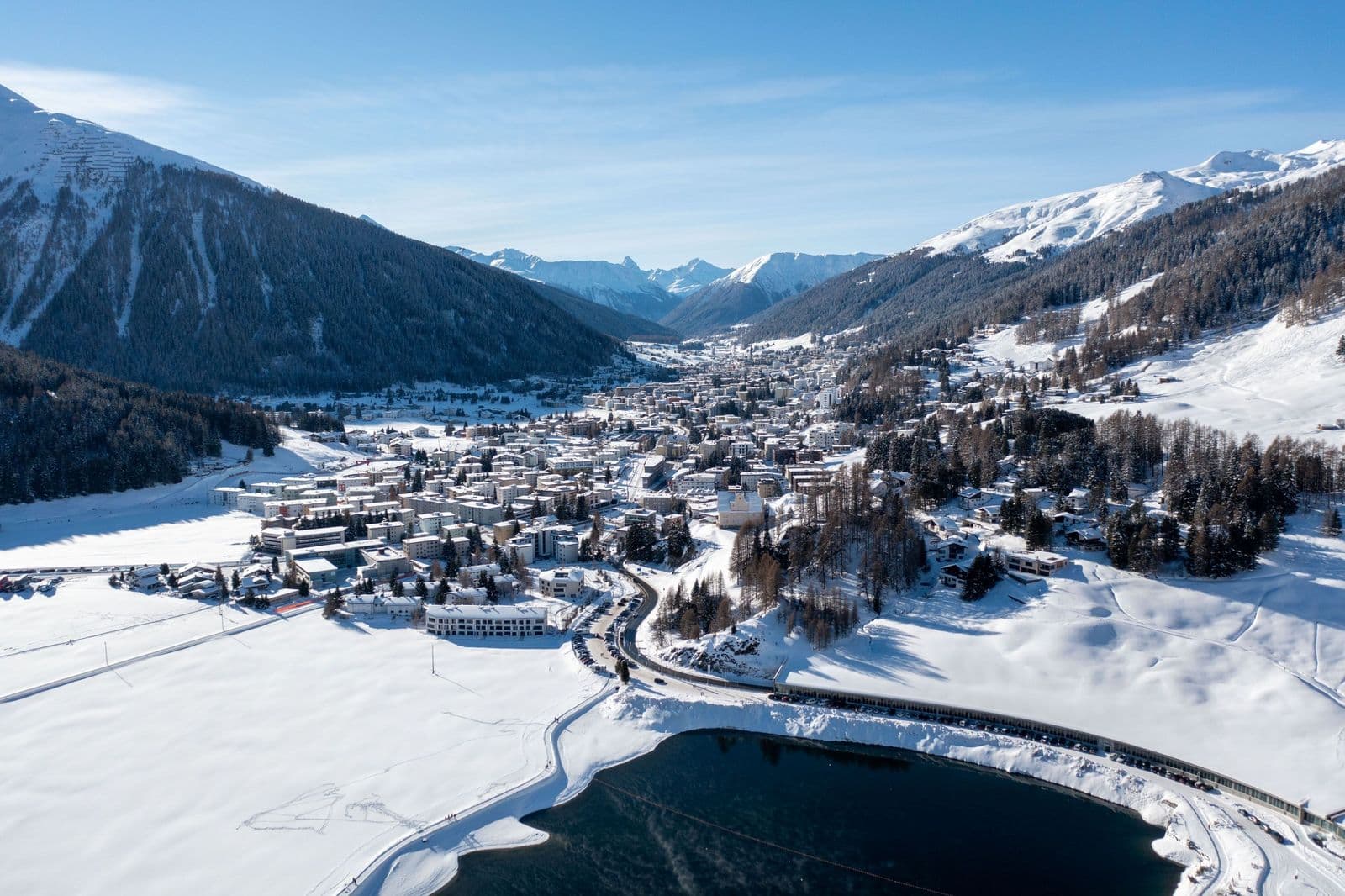
St. Moritz and the Engadin
Frozen lakes, mountain scenery, and clear winter light create exceptional opportunities.
Oeschinensee
This alpine lake becomes particularly striking during winter when surrounded by snow-covered cliffs and forests.
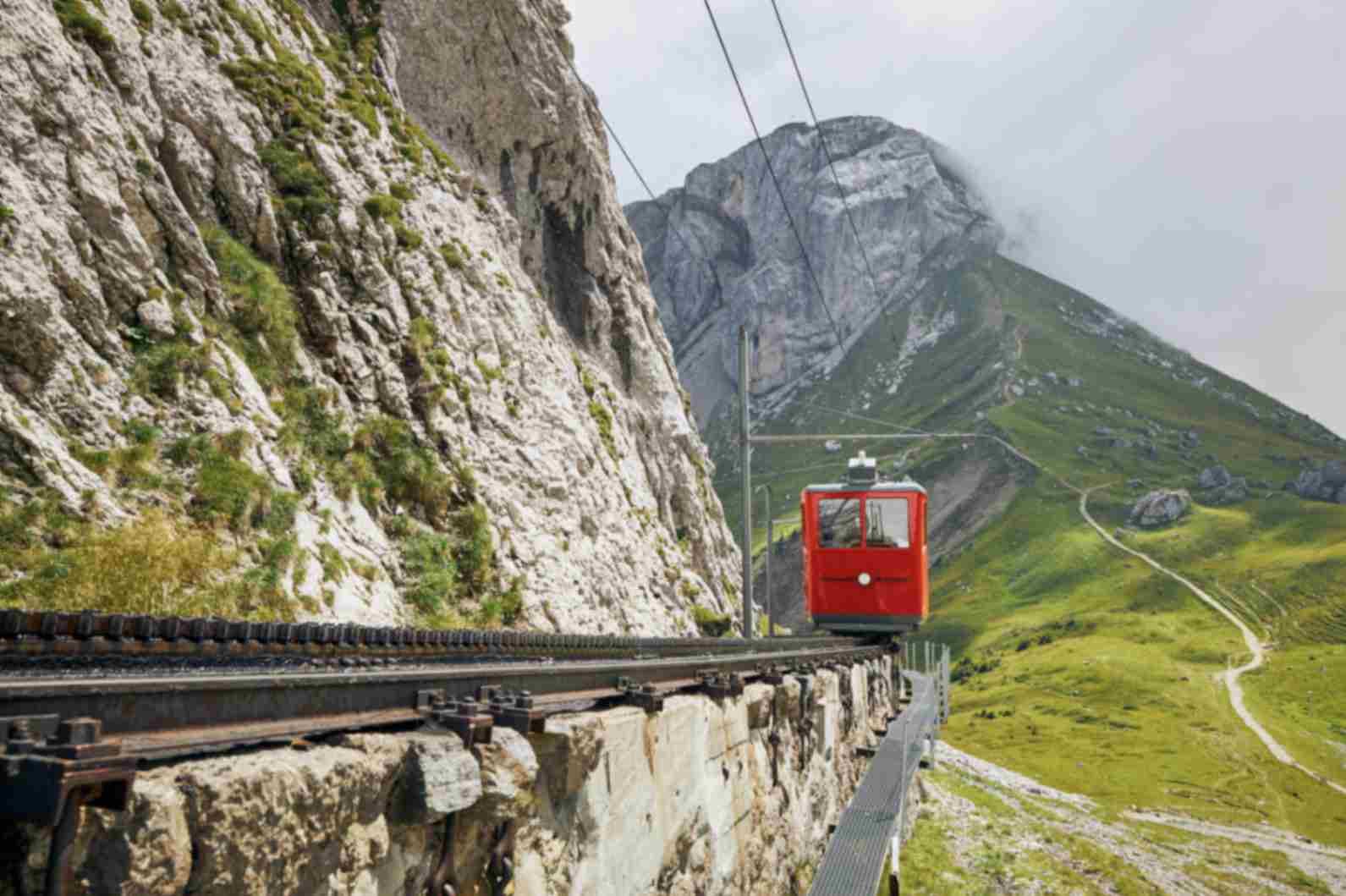
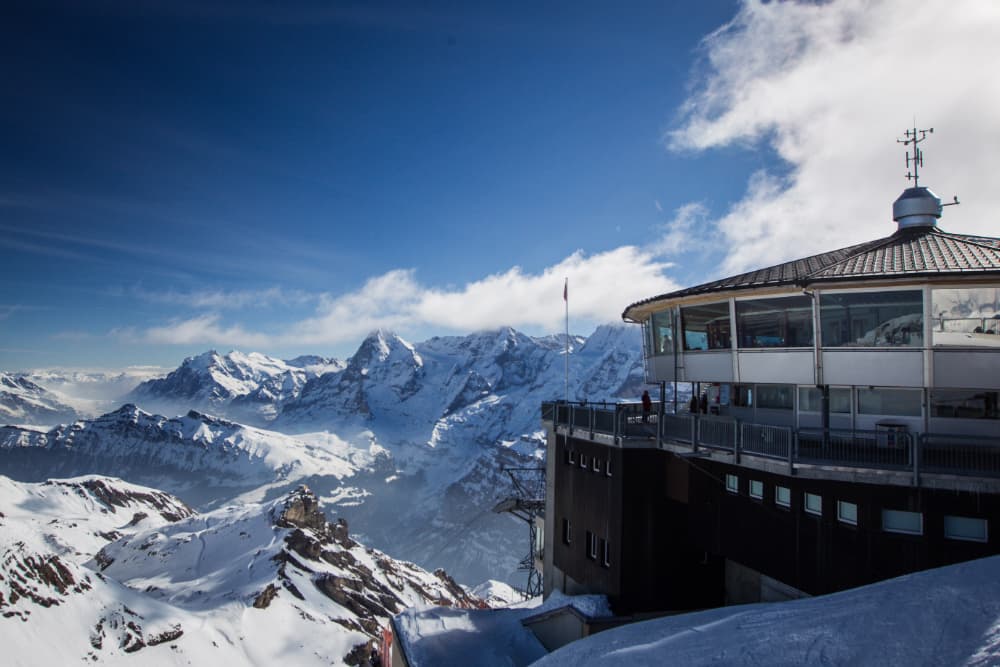
Mount Pilatus
Winter conditions often create spectacular views above cloud inversions and lowland fog.
Zermatt
The Matterhorn remains one of the most photographed mountains in the world for good reason.
Focus on Composition
Beautiful scenery alone does not guarantee strong photographs.
Try incorporating:
- Leading lines
- Framing elements
- Foreground interest
- Reflections
- Symmetry
- Layered landscapes
A thoughtful composition often matters more than expensive equipment.
Respect the Environment
Winter landscapes can be fragile.
When photographing in the Alps:
- Stay on marked trails.
- Respect wildlife.
- Avoid entering restricted areas.
- Follow local safety guidance.
- Leave no trace.
Responsible travel helps preserve these landscapes for future visitors and photographers.
Final Thoughts
Winter photography in the Swiss Alps offers some of Europe's most rewarding landscape opportunities. Snow-covered mountains, frozen lakes, historic villages, and beautiful light combine to create scenes that are both dramatic and timeless.
Success often comes down to preparation rather than equipment. Understanding light, keeping batteries warm, monitoring weather conditions, and arriving at the right locations during the best times of day will improve your results far more than expensive gear alone.
Whether you're photographing the Matterhorn in Zermatt, exploring the Jungfrau Region, or capturing frozen lakes in the Engadin Valley, the Swiss Alps provide endless inspiration. With patience, planning, and a willingness to embrace winter conditions, you'll return home with images that capture the beauty and atmosphere of one of the world's most remarkable mountain landscapes.