Beyond Fondue: The Real Swiss Cheese Culture
Ask most international visitors about Swiss cheese and the conversation usually begins with fondue. While the famous pot of melted cheese has become one of Switzerland's most recognizable culinary symbols, it represents only a small part of a much richer and more diverse cheese culture.
Switzerland produces more than 450 varieties of cheese, many of them deeply connected to specific valleys, farming traditions, and regional identities. From Alpine pastures and centuries-old cheesemaking techniques to village markets and family tables, cheese remains woven into everyday Swiss life. To truly understand Swiss food culture, it's necessary to look beyond fondue and discover how cheese is produced, enjoyed, and celebrated across the country.
Why Cheese Matters in Switzerland
Cheesemaking has been part of Swiss life for hundreds of years. Long before tourism and banking became associated with the country, mountain communities relied on dairy farming to survive.
The geography of Switzerland played a major role in shaping this tradition. Alpine pastures provided ideal grazing conditions during summer, allowing farmers to produce large quantities of milk. Since fresh milk could not easily be preserved, cheesemaking became an effective way to store nutrition throughout the year.
Over time, individual regions developed their own techniques, flavors, and recipes. The result was an extraordinary variety of cheeses that reflected local environments and traditions.
Even today, many Swiss cheeses are closely linked to specific regions and protected by strict production regulations that preserve their authenticity.
Gruyère: Switzerland's Culinary Icon
Among Switzerland's most famous cheeses, Gruyère enjoys worldwide recognition.
Produced primarily in the canton of Fribourg, Gruyère is known for its firm texture, complex flavor, and remarkable versatility. Unlike many people assume, authentic Gruyère does not contain large holes. Instead, it develops rich nutty and fruity notes as it ages.
Gruyère plays an important role in numerous Swiss dishes, including:
- Fondue
- Gratins
- Quiches
- Cheese platters
- Traditional Alpine cuisine
Visiting the Gruyère region offers insight into a production process that has changed surprisingly little over generations.
Appenzeller: Switzerland's Best-Kept Secret
While Gruyère often receives international attention, many Swiss people have a special affection for Appenzeller.
Produced in eastern Switzerland, this cheese is famous for its closely guarded herbal brine recipe used during maturation. The exact ingredients remain one of the country's most famous culinary secrets.
Appenzeller ranges from mild and creamy to intense and spicy depending on aging periods.
The cheese reflects the independent spirit of the Appenzell region itself, where customs, traditions, and local identity remain particularly strong.
Raclette: More Than a Winter Dish
Outside Switzerland, Raclette is often considered a winter specialty.
Within Switzerland, however, it enjoys popularity throughout much of the year.
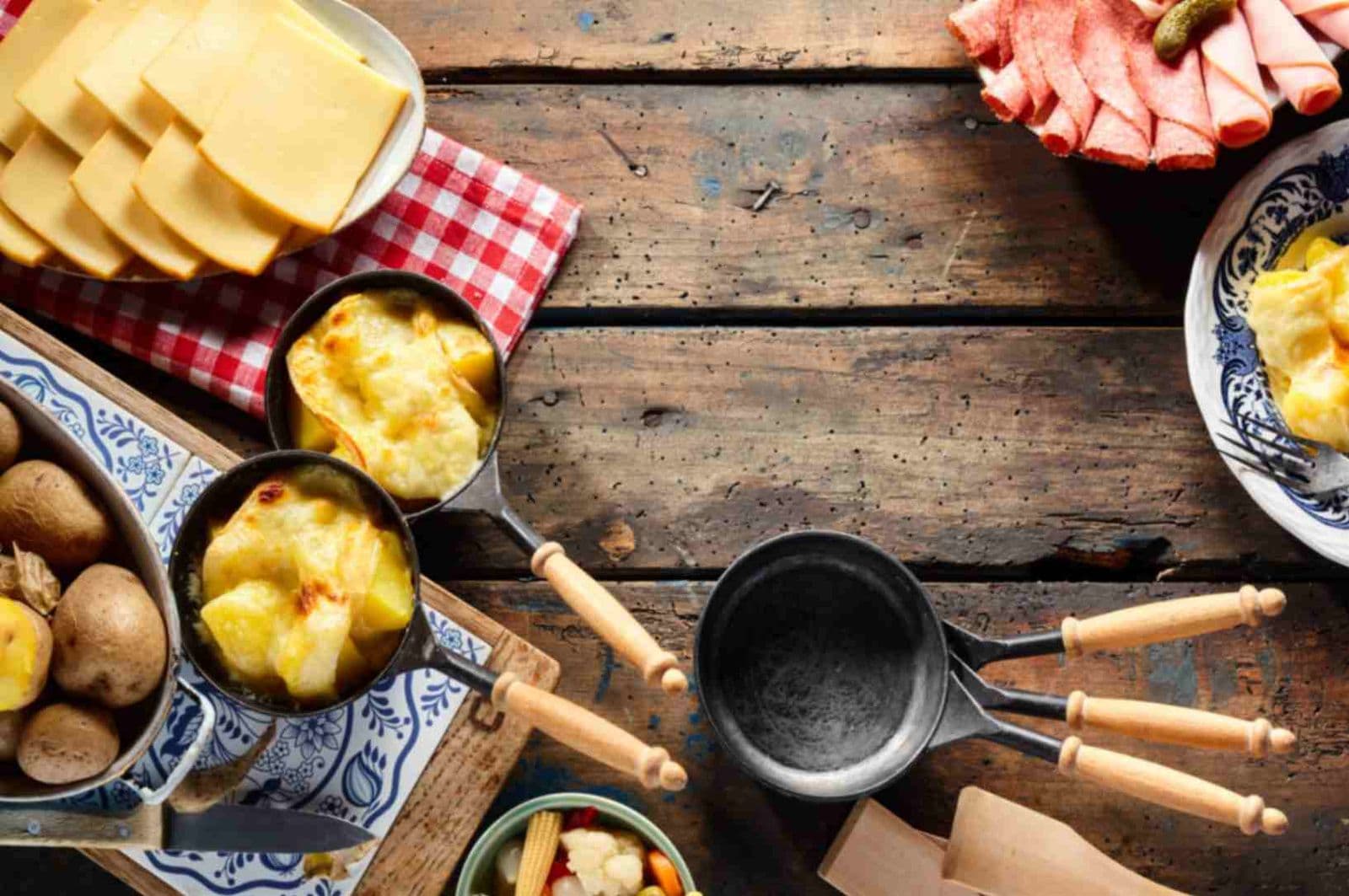
The traditional preparation is remarkably simple. A wheel of cheese is heated until the surface melts, then scraped directly onto:
- Potatoes
- Pickles
- Onions
- Cured meats
The beauty of Raclette lies in its simplicity. High-quality ingredients and excellent cheese create a meal that is both comforting and social.
In regions such as Valais, where Raclette originated, it remains an important part of local culinary culture.
Emmentaler: The Cheese Everyone Recognizes
For many people around the world, Emmentaler defines Swiss cheese.
Its large holes, known as "eyes," have become instantly recognizable. Produced in the rolling hills of the Emmental region, the cheese remains one of Switzerland's most significant agricultural products.
Despite its international popularity, authentic Emmentaler often surprises first-time visitors. The flavor is more nuanced than many exported versions, particularly when enjoyed at different stages of maturation.
The surrounding countryside, with its traditional farmhouses and green hills, remains closely associated with Swiss rural identity.
Tête de Moine: A Unique Tradition
One of Switzerland's most distinctive cheeses is Tête de Moine.
Rather than being sliced, it is traditionally shaved into delicate rosettes using a special tool called a girolle.
This method increases the surface area of the cheese, enhancing aroma and flavor while creating an elegant presentation.
Originating from the Jura region, Tête de Moine demonstrates how Swiss cheese culture often combines practicality with craftsmanship.
The Importance of Alpine Pastures
To understand Swiss cheese, it is necessary to understand the Alps.
Every summer, cattle move to high mountain pastures where they graze on a diverse mix of grasses, flowers, and herbs. These natural diets contribute significantly to the flavor profile of many cheeses.
The seasonal movement of livestock, known as transhumance, remains one of Switzerland's most important agricultural traditions.
In many regions, Alpine cheesemaking still occurs in mountain huts, where production methods have changed little over centuries.
Cheese in Everyday Swiss Life
Contrary to popular belief, most Swiss people do not eat fondue every week.
Instead, cheese appears in daily life in many different ways:
Breakfast
Cheese often accompanies bread, butter, and coffee.
Lunch
Simple meals frequently include local cheeses alongside cured meats and salads.
Apéritif
Cheese platters are common during social gatherings.
Regional Specialties
Many traditional recipes incorporate local cheeses in ways that vary from region to region.
For locals, cheese is less a novelty and more a staple of everyday living.
Cheese and Regional Identity
One of the most fascinating aspects of Swiss cheese culture is how strongly it reflects regional identity.
Different linguistic and cultural regions maintain distinct traditions:
- French-speaking Switzerland favors Gruyère and Vacherin.
- German-speaking regions are associated with Emmentaler and Appenzeller.
- Alpine regions celebrate Raclette and mountain cheeses.
- The Jura region is known for Tête de Moine.
These differences contribute to Switzerland's culinary diversity and encourage travelers to explore beyond major tourist centres.
Where to Experience Authentic Swiss Cheese Culture
Visitors hoping to experience authentic cheese culture should consider:
Gruyères
The historic village and surrounding countryside provide one of Switzerland's most famous cheese destinations.
Emmental
Rolling hills, dairy farms, and traditional cheesemaking define the region.
Appenzell
Combines regional traditions, colorful architecture, and celebrated cheeses.
Alpine Cheese Cellars
Many producers welcome visitors interested in learning about maturation and production.
Local Markets
Regional markets often provide opportunities to sample cheeses directly from producers.
Final Thoughts
Swiss cheese culture extends far beyond fondue. It is a story of landscapes, communities, traditions, and craftsmanship that have evolved over centuries. From the Alpine pastures of Valais to the dairy farms of Emmental and the traditions of Appenzell, every region contributes something unique to the country's culinary identity.
For travelers, exploring Swiss cheese offers far more than a tasting experience. It provides insight into history, agriculture, local culture, and everyday life. Whether enjoying a simple slice of Appenzeller, a traditional Raclette meal, or a carefully aged Gruyère, each bite reflects a tradition that remains deeply connected to Switzerland's landscapes and heritage.
The next time someone mentions Swiss cheese, fondue may still come to mind first. But beyond the famous pot lies an entire world of flavors, stories, and traditions waiting to be discovered.