Glacier Express: The Complete Guide to Switzerland's Slowest Express
When people imagine train travel in Switzerland, one name appears again and again: the Glacier Express. Connecting the famous mountain resorts of Zermatt and St. Moritz, this legendary journey has earned a reputation as one of the world's greatest scenic rail experiences. It is not the fastest way to travel across the Swiss Alps, nor is it intended to be. Instead, the Glacier Express invites travelers to slow down and appreciate some of Europe's most spectacular mountain scenery.
Known as the world's slowest express train, the Glacier Express takes passengers on an unforgettable journey through deep river gorges, alpine villages, mountain passes, and dramatic landscapes that would otherwise be difficult to access. Stretching across the heart of Switzerland, the route showcases not only remarkable scenery but also the engineering achievements that helped connect isolated mountain communities for generations.
Whether you're planning your first trip to Switzerland or researching one of the country's most iconic experiences, this complete guide will help you understand why the Glacier Express remains a must-do journey for travelers from around the world.
What Is the Glacier Express?
The Glacier Express is a panoramic train service that links two of Switzerland's most celebrated mountain destinations: Zermatt and St. Moritz. Since its introduction in 1930, the train has become one of the country's most recognizable travel experiences.
The route covers approximately 291 kilometres and passes through a remarkable variety of landscapes. Along the way, passengers cross 291 bridges, travel through 91 tunnels, and move between several of Switzerland's most beautiful regions.
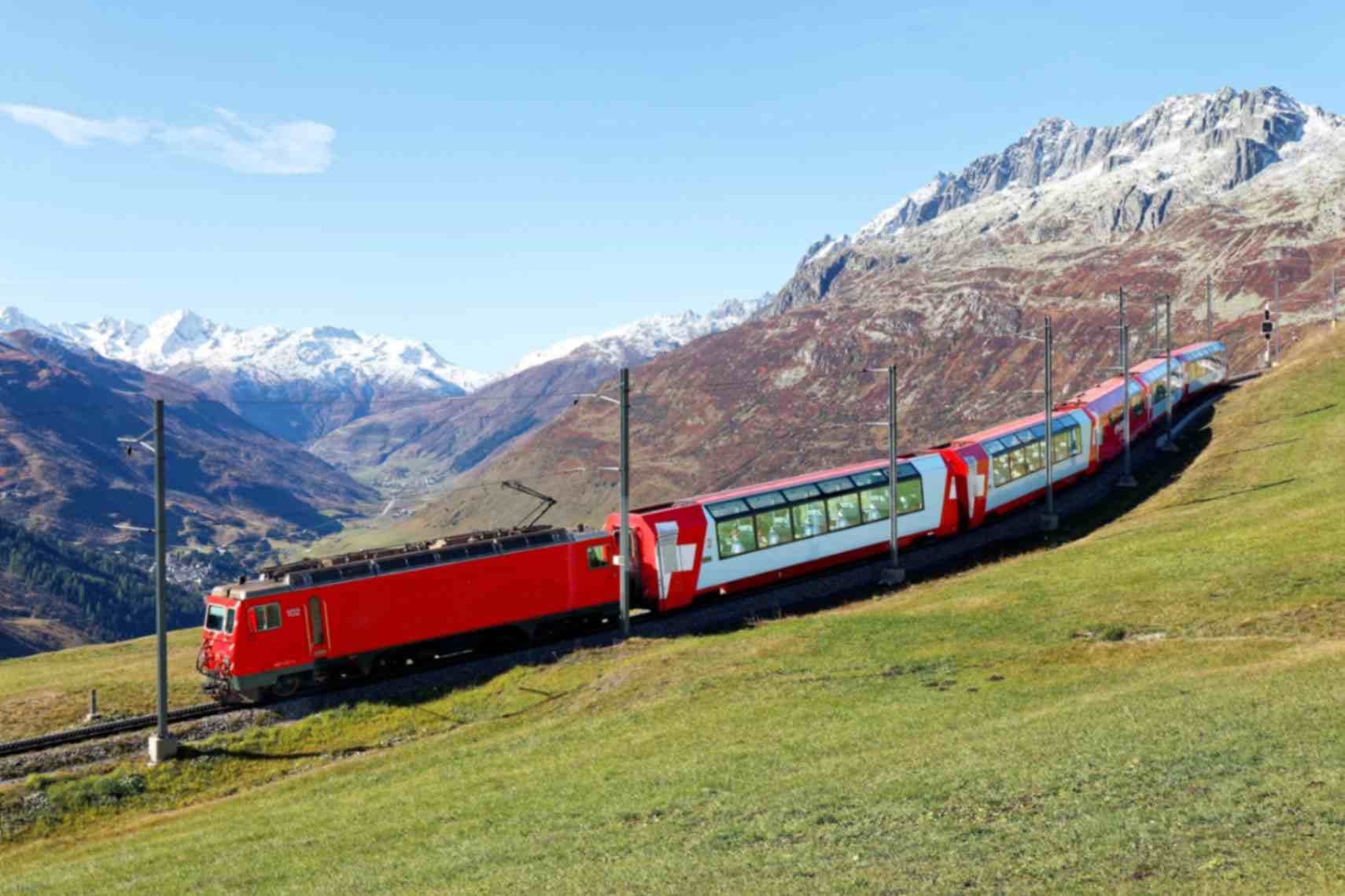
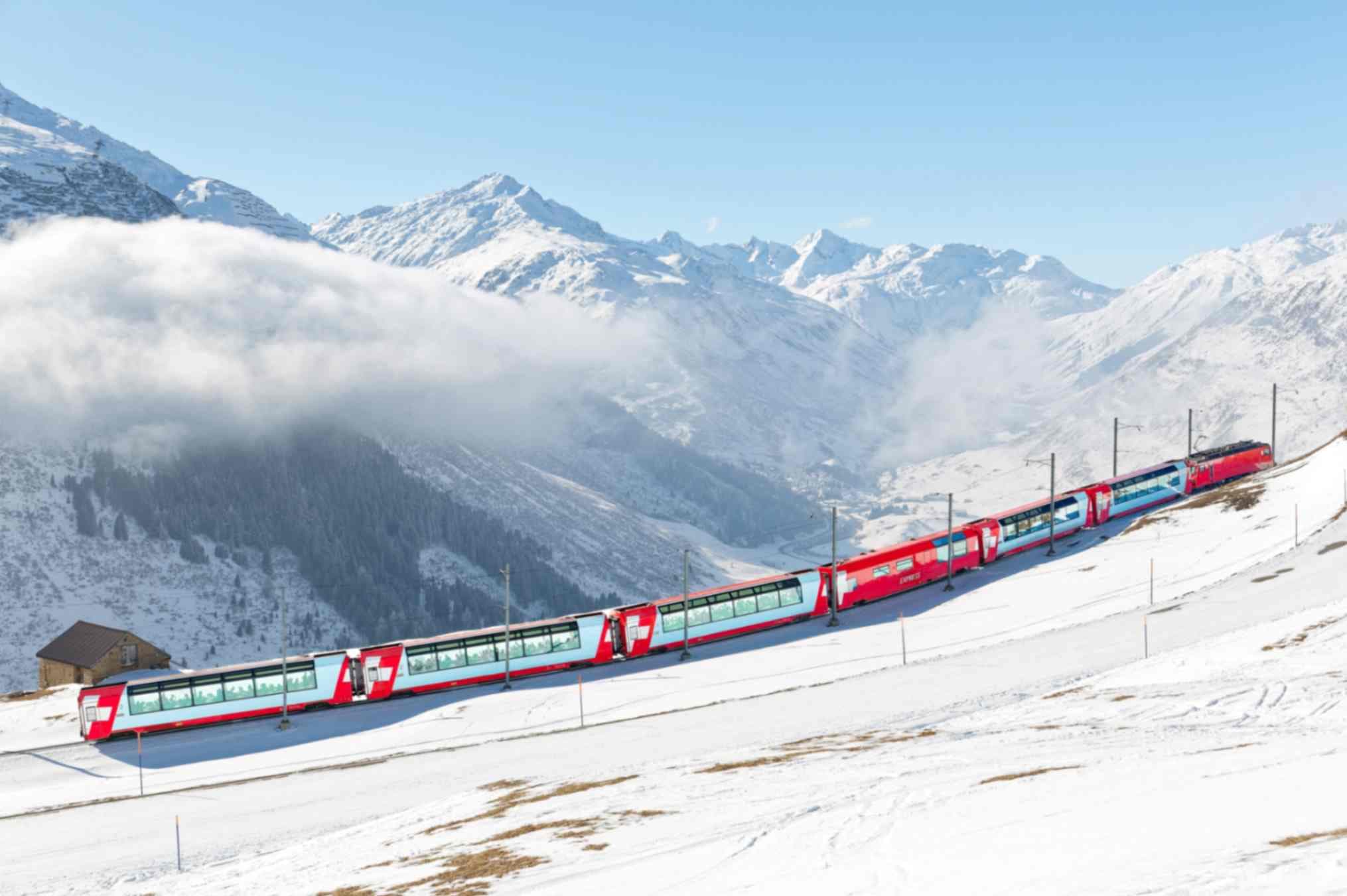
The train's panoramic carriages are specifically designed for sightseeing, featuring large windows that allow uninterrupted views of the passing scenery. Rather than focusing on speed, the Glacier Express is designed to maximize the enjoyment of the journey itself.
The Route at a Glance
One of the reasons the Glacier Express is so popular is the diversity of landscapes encountered during a single trip.
Zermatt
The journey begins in Zermatt, one of Switzerland's most famous Alpine resorts. Situated beneath the iconic Matterhorn, the village is car-free and surrounded by towering peaks. Many travelers choose to spend a night or two in Zermatt before boarding the Glacier Express.
Brig
Shortly after departing Zermatt, the train enters the Rhône Valley and reaches Brig. This historic town has long served as an important crossroads connecting various Alpine regions.
Andermatt
Andermatt sits in the heart of the Swiss Alps and is one of the route's most scenic destinations. Surrounded by mountains and historic passes, the village has become increasingly popular as both a ski destination and year-round mountain resort.
Oberalp Pass
At 2,033 metres above sea level, the Oberalp Pass represents the highest point of the Glacier Express route. The landscape here feels distinctly alpine, with mountain lakes, open meadows, and dramatic views extending in every direction.
Chur
Chur is widely recognised as Switzerland's oldest town, with a history stretching back more than 5,000 years. Many travellers use Chur as a starting point for shorter Glacier Express journeys.
St. Moritz
The route concludes in St. Moritz, a world-famous mountain resort located within the beautiful Engadin Valley. Known for luxury tourism, winter sports, and stunning mountain scenery, it provides a fitting finale to one of the world's greatest rail journeys.
The Most Beautiful Sections of the Journey
While the entire route is spectacular, several sections consistently rank among the highlights.
Rhine Gorge
Often called the "Swiss Grand Canyon," the Rhine Gorge is one of the Glacier Express's most famous landmarks. Towering limestone cliffs rise above emerald waters while forests and hidden valleys create an almost untouched landscape.
For many passengers, this section delivers the most memorable scenery of the entire journey.
Landwasser Viaduct
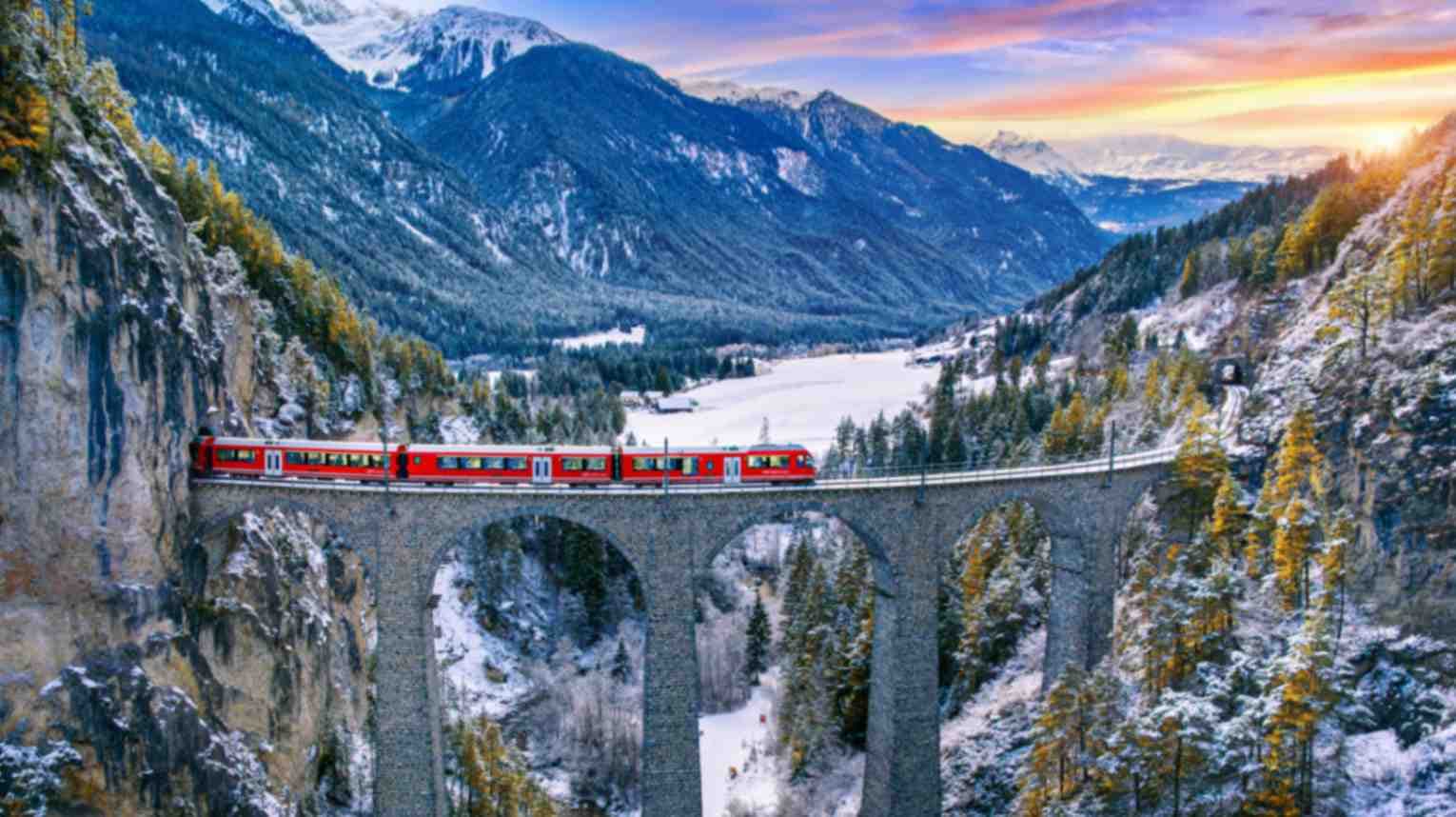
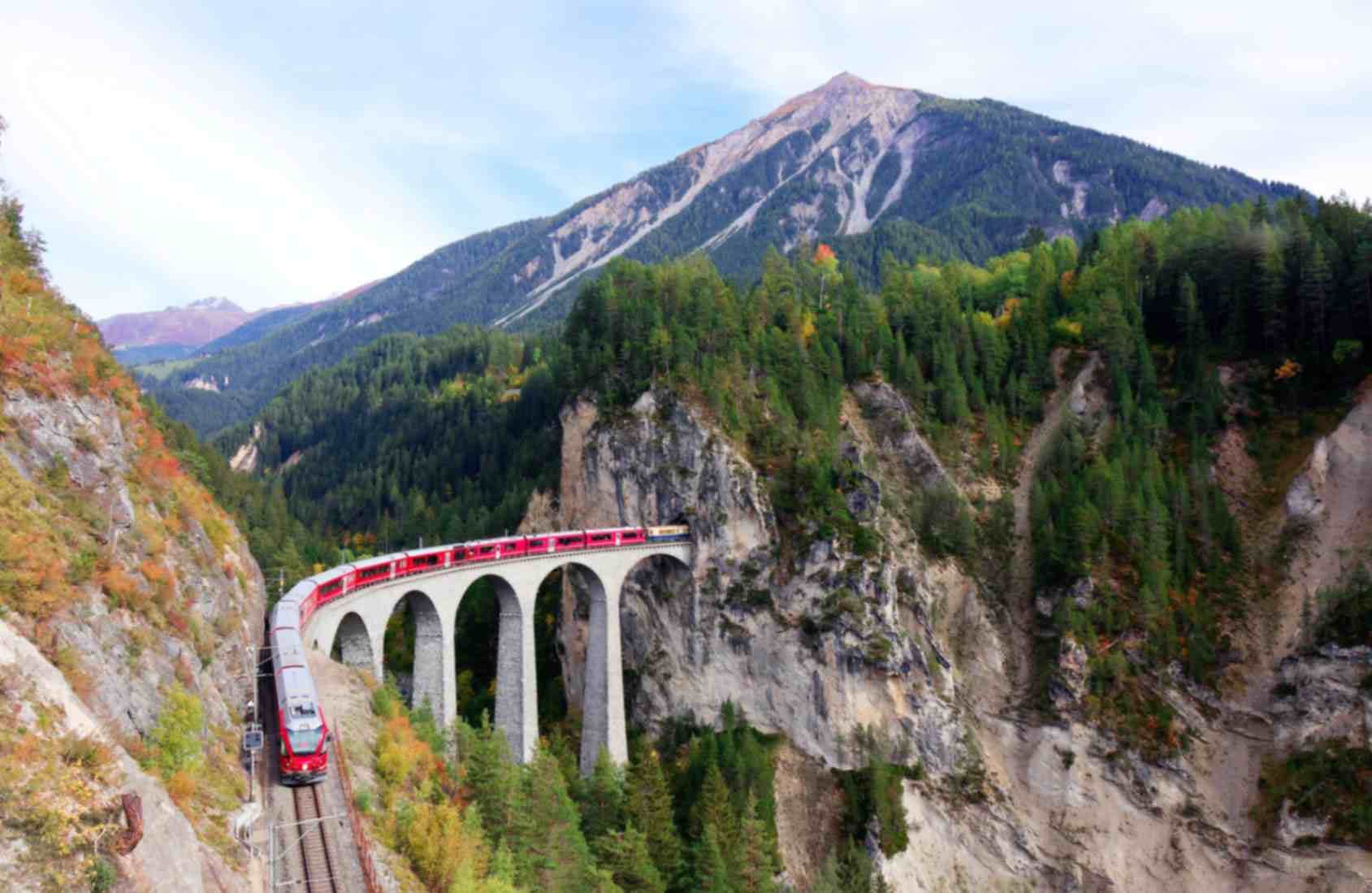
Few railway structures in Europe are as iconic as the Landwasser Viaduct. The curved stone bridge dramatically spans a deep gorge before disappearing directly into a tunnel carved into the mountainside.
The viaduct has become one of the most photographed railway landmarks in Switzerland and remains a highlight for photographers and rail enthusiasts alike.
Oberalp Pass
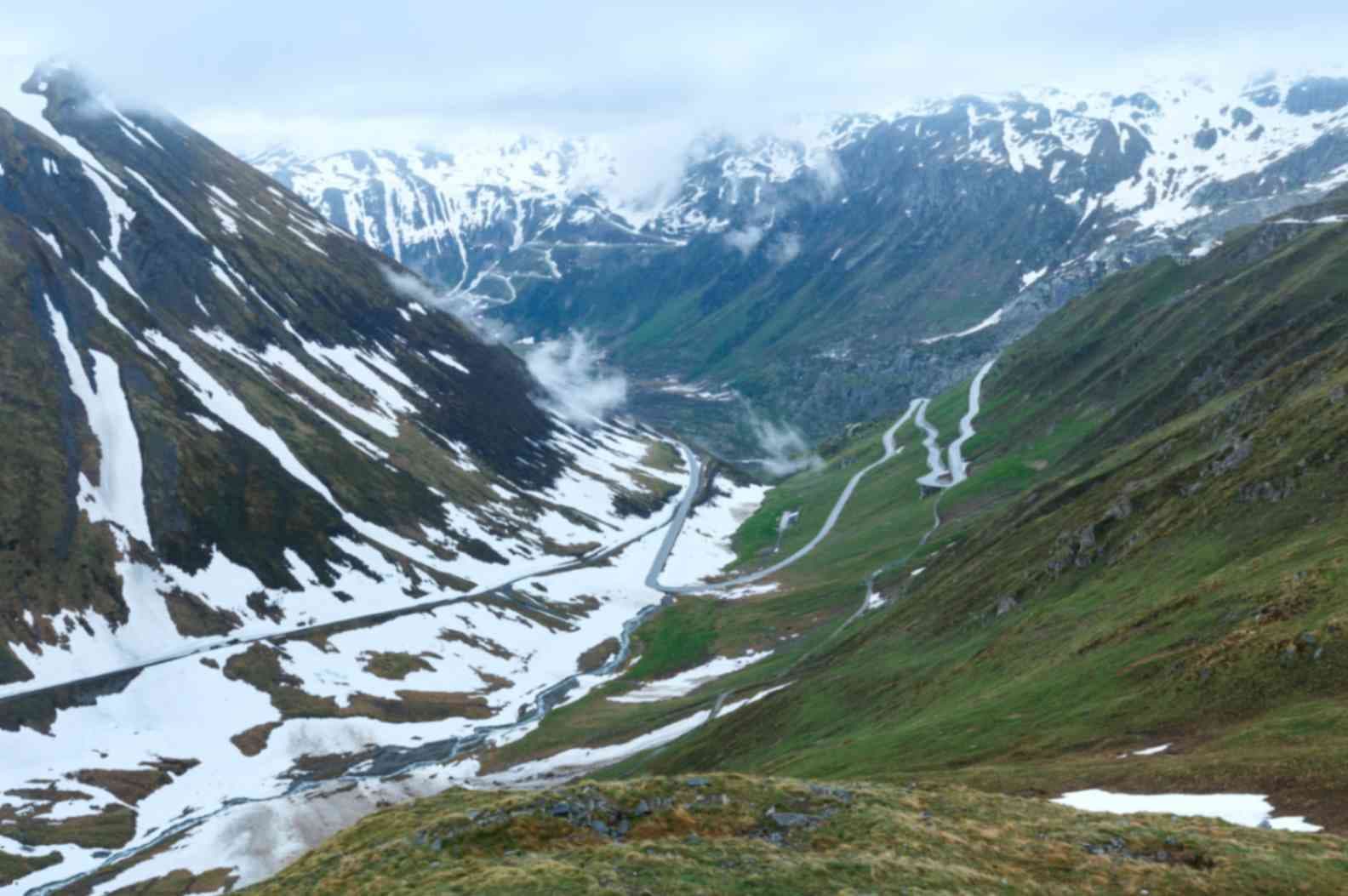
Crossing the Oberalp Pass provides extraordinary views of the Alpine environment. Depending on the season, travellers may encounter snow-covered landscapes, mountain meadows, or clear alpine lakes.
Mountain Villages
One of the pleasures of the Glacier Express is observing traditional Swiss mountain life. Throughout the journey, charming villages, historic churches, wooden chalets, and grazing cattle provide a glimpse into life in the Alps.
Travel Classes on the Glacier Express
The Glacier Express offers several travel classes to suit different preferences and budgets.
Standard Class
Standard Class provides comfortable seating and access to the same panoramic views enjoyed throughout the train. It remains the most popular option for many travellers.
First Class
First Class offers wider seats, additional space, and a quieter atmosphere. The larger seating area can be particularly appreciated during the longer stretches of the journey.
Excellence Class
Excellence Class represents the premium Glacier Express experience. Featuring luxury seating, dedicated service, and enhanced dining, it is designed for travellers seeking the highest level of comfort.
Dining on Board
The Glacier Express is more than a train ride. For many passengers, it is also a dining experience.
Meals can be served directly to your seat while you enjoy the scenery outside. This allows travellers to enjoy Swiss cuisine without missing any of the route's most impressive landscapes.
The combination of panoramic views and relaxed dining contributes significantly to the train's reputation as one of Europe's finest rail journeys.
How Long Does the Journey Take?
The complete route between Zermatt and St. Moritz typically takes around eight hours.
While this may seem long by modern travel standards, most passengers find the journey passes surprisingly quickly thanks to the constantly changing scenery.
Travellers with limited time can also choose shorter sections of the route, particularly between:
- Chur and Andermatt
- Chur and St. Moritz
- Andermatt and Brig
These shorter segments still include some of the route's most impressive scenery.
When is the Best Time to Travel?
One of the advantages of the Glacier Express is that every season offers a different perspective on the Swiss Alps.
Spring
Spring brings green valleys, flowing waterfalls, and snow lingering on higher peaks.
Summer
Summer provides long daylight hours and vibrant mountain landscapes, making it one of the most popular times to travel.
Autumn
Many photographers consider autumn the best season. Forests turn shades of gold and orange while mountain visibility is often excellent.
Winter
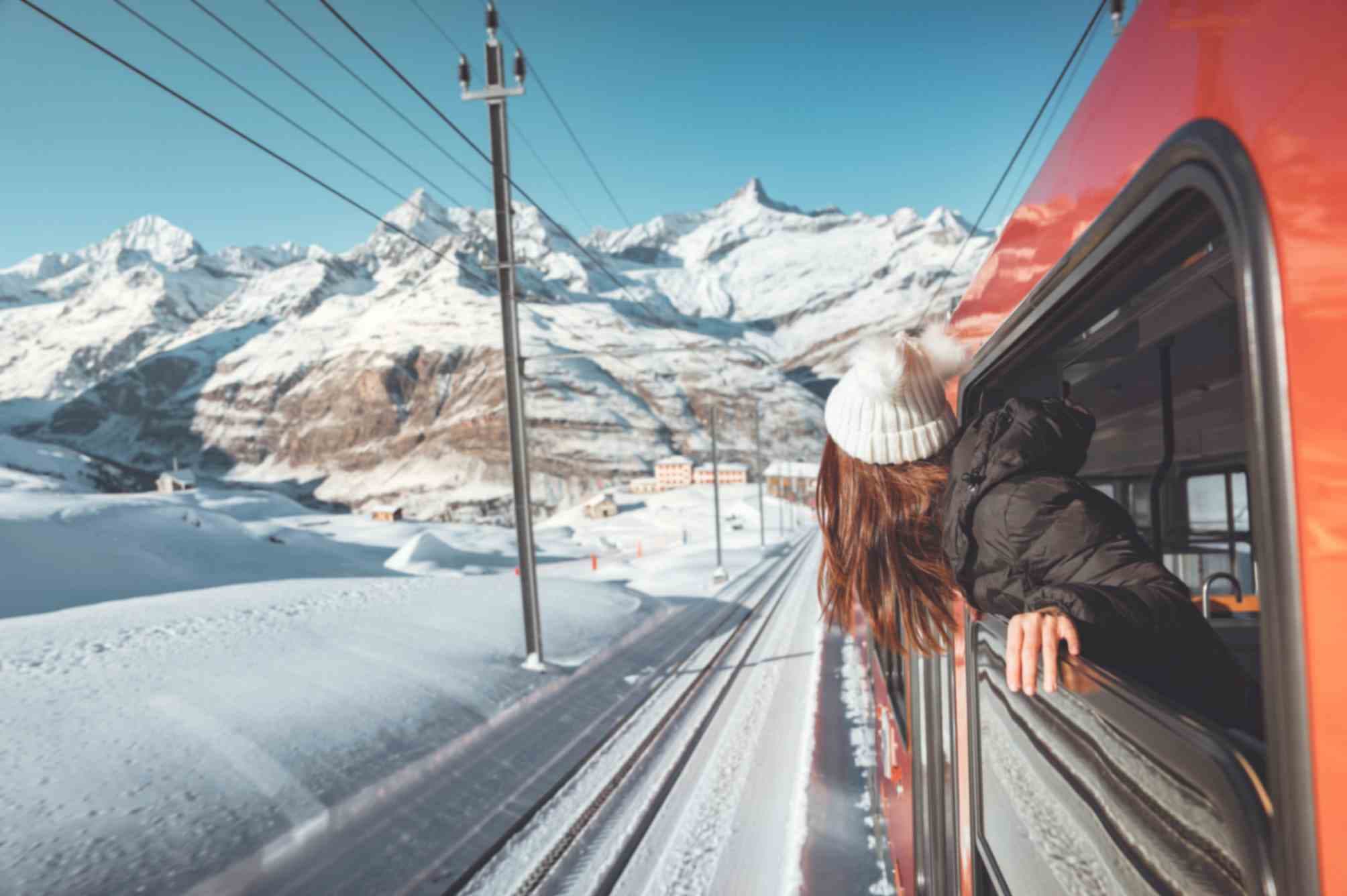
Winter transforms the route into a snow-covered wonderland. Frozen rivers, snowy villages, and white mountain landscapes create a magical atmosphere.
Why Is the Glacier Express So Famous?
Many scenic railways offer beautiful views, but the Glacier Express combines several unique elements:
- Extraordinary Alpine scenery
- Historic railway engineering
- Panoramic carriages
- Comfortable travel
- World-famous landmarks
- Connections between iconic Swiss destinations
It is not simply the scenery that makes the journey special. It is the combination of landscapes, history, and engineering that creates a truly memorable experience.
Tips for First-Time Travelers
If you're planning your first Glacier Express journey, a few practical tips can improve the experience.
Reserve Early
Reservations are mandatory and can sell out during busy periods.
Bring a Camera
The scenery changes constantly and provides endless photography opportunities.
Pack Layers
Mountain weather can vary dramatically across different sections of the route.
Allocate Time for the Destinations
Both Zermatt and St. Moritz deserve exploration beyond the train journey itself.
Enjoy the Journey
The Glacier Express is designed for slow travel. Take time to appreciate the scenery rather than viewing it simply as transportation.
Final Thoughts
The Glacier Express remains one of Switzerland's most iconic travel experiences and one of the world's most celebrated scenic train journeys. Travelling through the heart of the Alps, it offers an extraordinary combination of mountain landscapes, engineering achievements, and cultural heritage.
From the famous Rhine Gorge and Landwasser Viaduct to the Alpine scenery of the Oberalp Pass, every section of the route reveals a different side of Switzerland. Whether you're a railway enthusiast, photographer, nature lover, or first-time visitor to the country, the Glacier Express delivers an unforgettable journey through some of Europe's most remarkable landscapes.